Sub-Total: $0.00
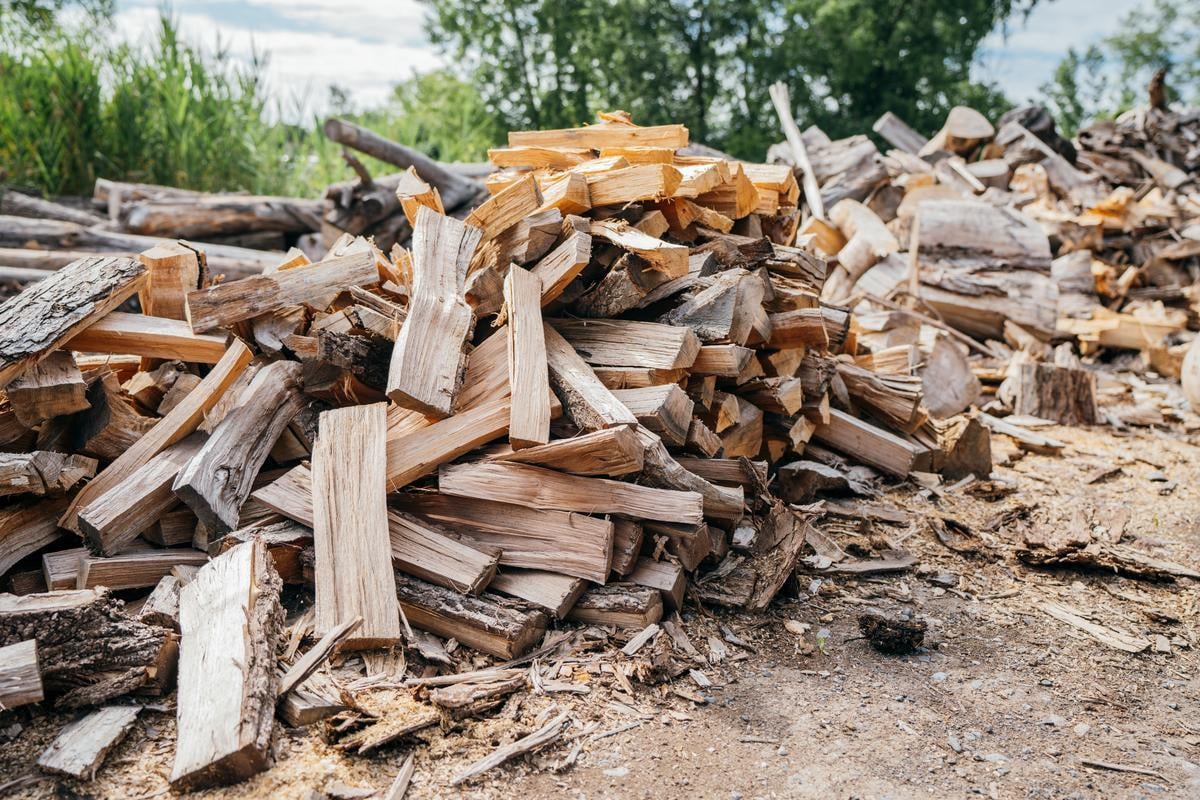
A tree comes down in a storm, or you finally have that old maple removed, and suddenly there’s a pile of wood in your yard. It’s natural to look at it and think about free fires all winter. Unfortunately, that wood isn’t ready yet, and burning it now would cause more problems than it solves.
Freshly cut wood, often called green wood, is full of water. Before it can burn well, it needs time to dry out. Here’s what’s actually going on inside green wood, why it matters for your fireplace and fire pit, and what to do if you want a warm fire this season.
How Much Water Is in Freshly Cut Wood?
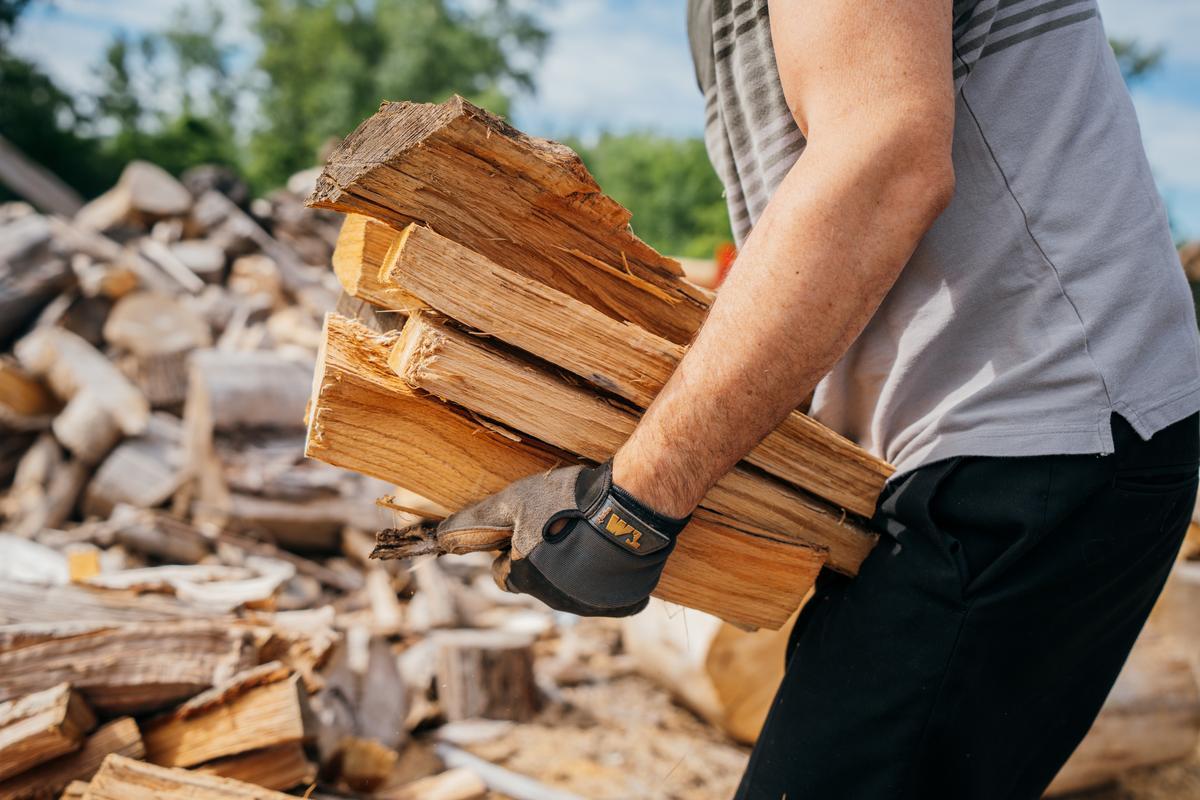
A living tree moves a lot of water through its trunk and branches. When it’s cut, all that moisture is still locked inside the wood. Freshly cut firewood can easily be 50% water or more, depending on the species and time of year.
Well-seasoned firewood, by comparison, has a moisture content below 20%. Getting from one number to the other takes time, airflow, and patience. There’s no shortcut that turns a freshly cut round into dry firewood in a few weeks.
What Happens When You Burn Green Wood
When you put a wet log on the fire, a big share of the fire’s energy goes toward boiling off water before the wood can actually burn. You’ll often hear it hiss and see moisture bubbling out of the ends. All that energy spent on water is energy that isn’t warming your living room or your backyard.
Green wood is also hard to light and hard to keep lit. It tends to smolder rather than burn cleanly, which means you’ll go through more kindling and spend more time fussing with the fire.
The bigger issue is smoke. Wet wood produces a lot of it, and in a fireplace that smoke carries more creosote up your chimney. Creosote is a black, tarry residue that sticks to the inside of the flue as smoke cools. It builds up over the season and is flammable, which is why burning wet wood raises the risk of a chimney fire.
Why Green Wood Is Especially Rough in a Fire Pit
It’s tempting to think a backyard fire pit is the place to burn wood that isn’t quite ready. After all, there’s no chimney to worry about. But a fire pit has its own problems with green wood.
Out in the open, all that extra smoke has nowhere to go but sideways. It drifts into your eyes, settles into your clothes and hair, and chases your guests from one side of the circle to the other every time the breeze shifts. On a small suburban lot in Brighton, Greece, or Irondequoit, it can also roll straight into your neighbor’s open windows or across their patio while they’re trying to enjoy their own evening.
Green wood also makes for a short, frustrating fire. Instead of a steady flame you can sit around for a few hours, you get a smoky pile that needs constant attention and still never quite catches. Dry, seasoned hardwood lights faster, produces more heat, and burns down to a bed of glowing coals, which is exactly what you want for roasting marshmallows or cooking over the fire.
How Seasoning Firewood Works
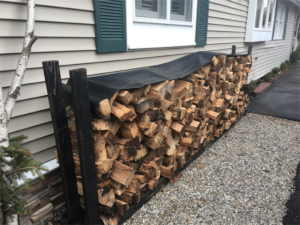
Seasoning is just the process of letting firewood dry. It isn’t complicated, but each step matters.
First, the wood needs to be cut to length and split. Bark slows down moisture loss, so whole rounds dry very slowly. Splitting exposes more of the inside of the wood to air, which speeds things up considerably.
Next, it needs to be stacked somewhere with good airflow and sunlight, up off the ground. Wood sitting directly on soil keeps absorbing moisture from below. Loose stacks with gaps between pieces dry faster than tightly packed ones.
Finally, it needs to be protected from rain and snow on top while staying open on the sides. Covering the whole pile with a tarp traps humidity and slows drying.
How Long Does Firewood Take to Season?
Softwoods like pine and spruce can be ready in about six months. Hardwoods, which make up most good firewood, usually need a year or more after they’re split and stacked. Very dense species like oak often take longer still. Weather plays a role too, since warm, breezy months do more drying than cold, damp ones.
That last point matters here in Western New York. Between gray, humid stretches off Lake Ontario and months of snow, a woodpile in Rochester does most of its drying from late spring through early fall. Wood that’s split and stacked in November mostly sits through the winter before the real drying starts.
At Rochester Firewood, we season every load for a full year before we consider it ready to burn. That way you know what you’re getting when it arrives.
If a tree comes down at your house this fall and you split and stack it properly right away, you can reasonably expect to burn it next winter, not this one.
Which Trees Make Good Firewood?
Not every tree that comes down is worth turning into firewood, even after it’s seasoned.
Dense hardwoods are the best choice for fireplaces and fire pits. Oak, hard maple, hickory, ash, beech, and cherry all burn hot and long and leave a good bed of coals. Cherry is a favorite for fire pits because of its pleasant smell. Ash is known for drying a little faster than most hardwoods because it starts out with less water.
Softwoods like pine, spruce, and fir dry quickly and light easily, which makes them handy as kindling. On their own, though, they burn fast, pop and spark more, and won’t hold a fire for long. Lighter hardwoods like poplar, willow, and basswood fall somewhere in between and tend to burn quickly without much heat.
Some wood shouldn’t be burned at all. Skip anything that’s rotted, moldy, or diseased, and never burn painted, stained, or pressure-treated lumber.
How to Tell If Firewood Is Dry Enough to Burn
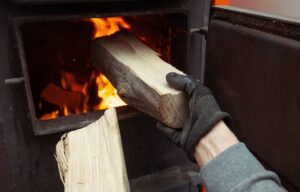
There are a few easy ways to check whether wood is ready.
- Look at the cut ends - Seasoned wood usually shows cracks running out from the center.
- Pick up a piece - Dry wood feels noticeably lighter than it looks, while green wood feels heavy for its size.
- Knock two pieces together - Dry wood makes a sharp, hollow sound, and wet wood makes a dull thud.
- Check the bark - On seasoned wood, it’s often loose or falling away.
For the most accurate answer, an inexpensive moisture meter will tell you exactly where you stand. Split a piece and test the freshly exposed face. Anything under 20% is ready to burn.
What to Do When a Tree Comes Down in Rochester
If a storm drops a tree on your property, or you have one that needs to come out, the first step is getting it removed safely. Trees that fall or lean in storms are often under tension or resting on other objects, and cutting them up can be dangerous without the right equipment and experience. Our partners at Woodeez Tree Service handle tree removal and emergency storm cleanup throughout Rochester and Monroe County.
A lot of people ask whether that tree can become their firewood. Woodeez and Rochester Firewood work together, but trees Woodeez removes aren’t split and returned to the homeowner as firewood. Since we season our wood for a full year, a tree removed this week simply can’t be ready to burn this winter. And as you saw above, not every species makes good firewood either.
If you’ve already cut up a fallen tree yourself and want to hold onto the wood, split it, stack it properly, and save it for next year. In the meantime, there’s a much faster route to a good fire.
Get Seasoned Firewood Delivered in Rochester
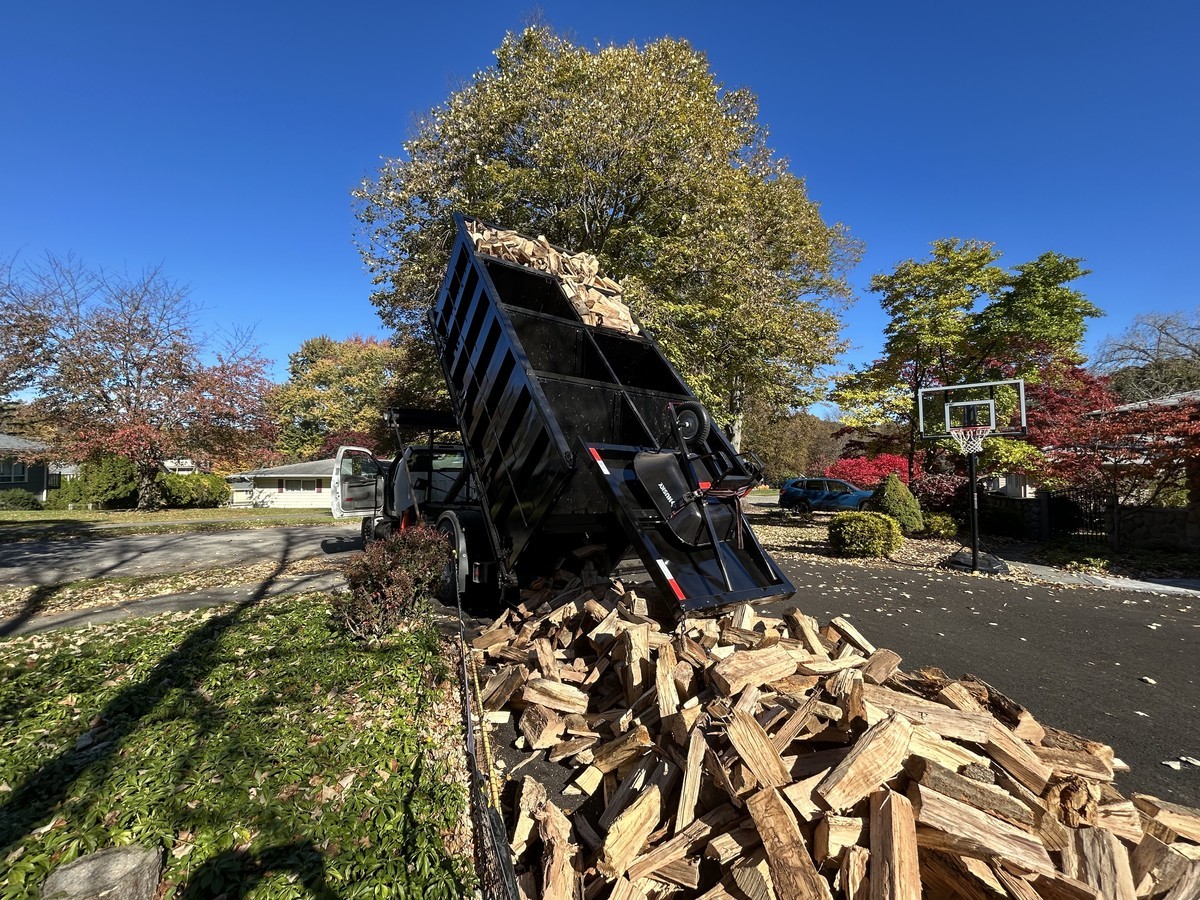
Seasoned wood is the biggest factor in a clean, hot, easy-to-light fire. Rochester Firewood delivers local, sustainably harvested hardwood that has already been seasoned a full year and split to fit the average fireplace. Every load includes 10 to 15% extra at no charge, and delivery within 20 miles is included.
Once your seasoned wood arrives, a little care keeps it that way. Stack it off the ground on pallets or a firewood rack, keep the top covered, and leave the sides open so air can keep moving through. A spot along the garage or a fence works well, but keep the stack a few feet away from the house itself so moisture and insects stay outside. Bring in only what you’ll burn over the next few days, and a dry stack will carry you comfortably through a Rochester winter.
Call us at (585) 415-9510 or order firewood online, and enjoy dry wood this winter while your own pile seasons for next year.
Rochester Firewood: Quality Firewood You Can Count On
Looking for dependable firewood in Rochester? We supply high-quality, properly seasoned wood to ensure a clean, efficient burn. With fast delivery and trusted service, we make it easy to stay warm all season long. Call or click here today to get started.